COMMUNICATION
News and press releases
FOLLOW US ON SOCIAL MEDIA
EVENTS AND NEWS
The Park and Europe
The Montale Park is based on the model of the open-air museums of central-northern Europe, founded on the criteria of living history with the re-proposition of living structures, productive activities and crafts of the past.
Since 2004 he has been a member of EXARC, an ICOM-affiliated European network that brings together archaeological parks and professionals with the aim of developing an ever higher quality of scientific research and outreach.
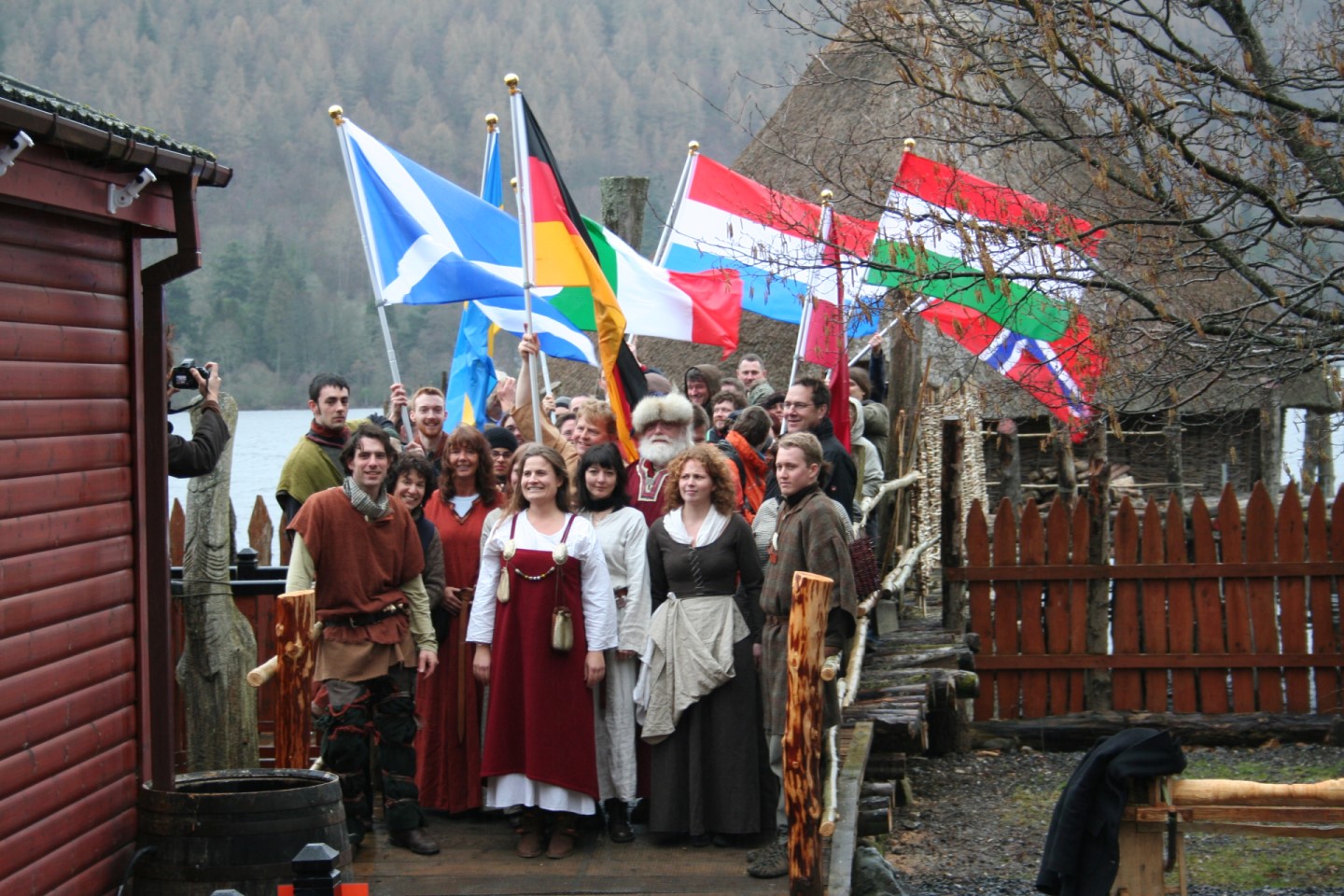
The international dimension has characterised the park since its planning through participation in three projects supported by the European Union.
2011 - 2015 | OPENARCH
The project was aimed at the creation of a permanent collaboration between open-air archaeological museums in Europe, increasing their quality, attractiveness and services for visitors.
-
Ciutadela Ibérica de Calafell (ES)
-
Kierikki Stone Age Centre (FI)
-
Archaeological-Ecological Centre Albersdorf (DE)
-
Hunebedcentrum (NL)
-
Archeon (NL)
-
University of Exeter, Department of Archaeology (UK)
-
St. Fagans National History Museum (UK)
-
National Archaeological Institute of Belgrade (SRB)
-
Fotevikens Museum (SE)
2007 - 2009 | liveARCH
The aim of the international cooperation network was to promote knowledge of ancient history through reconstructions of places, environments, and activities of the past, based on archaeological data.
-
Historisch OpenluchtMuseum, Eindhoven (NL)
-
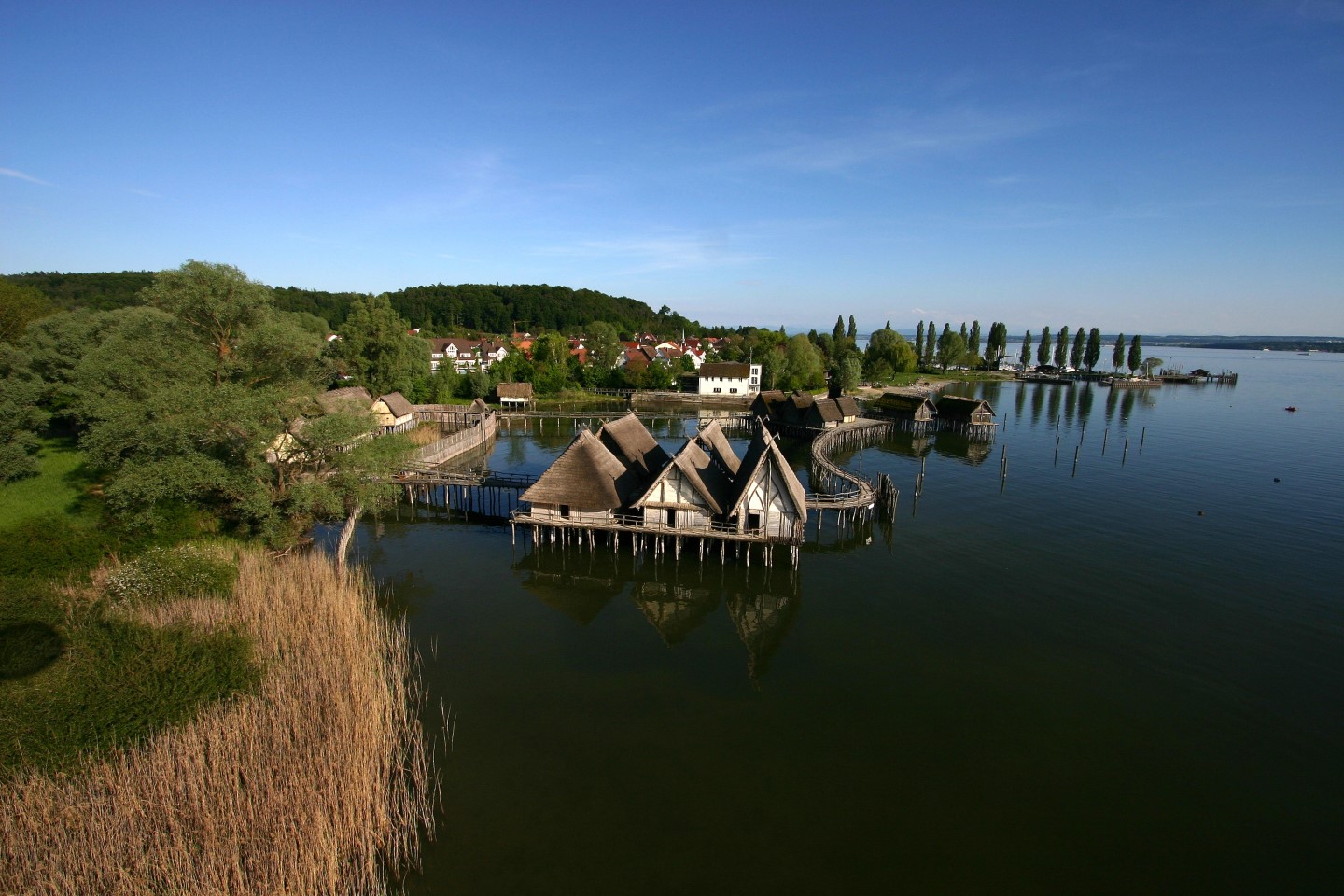
Pfahlbaumuseum Unteruhldingen (DE)
-
“Matrica” Múzeum és Régészeti Park (HU)
-
Āraišu arheoloģiskais muzeijparks (LV)
-
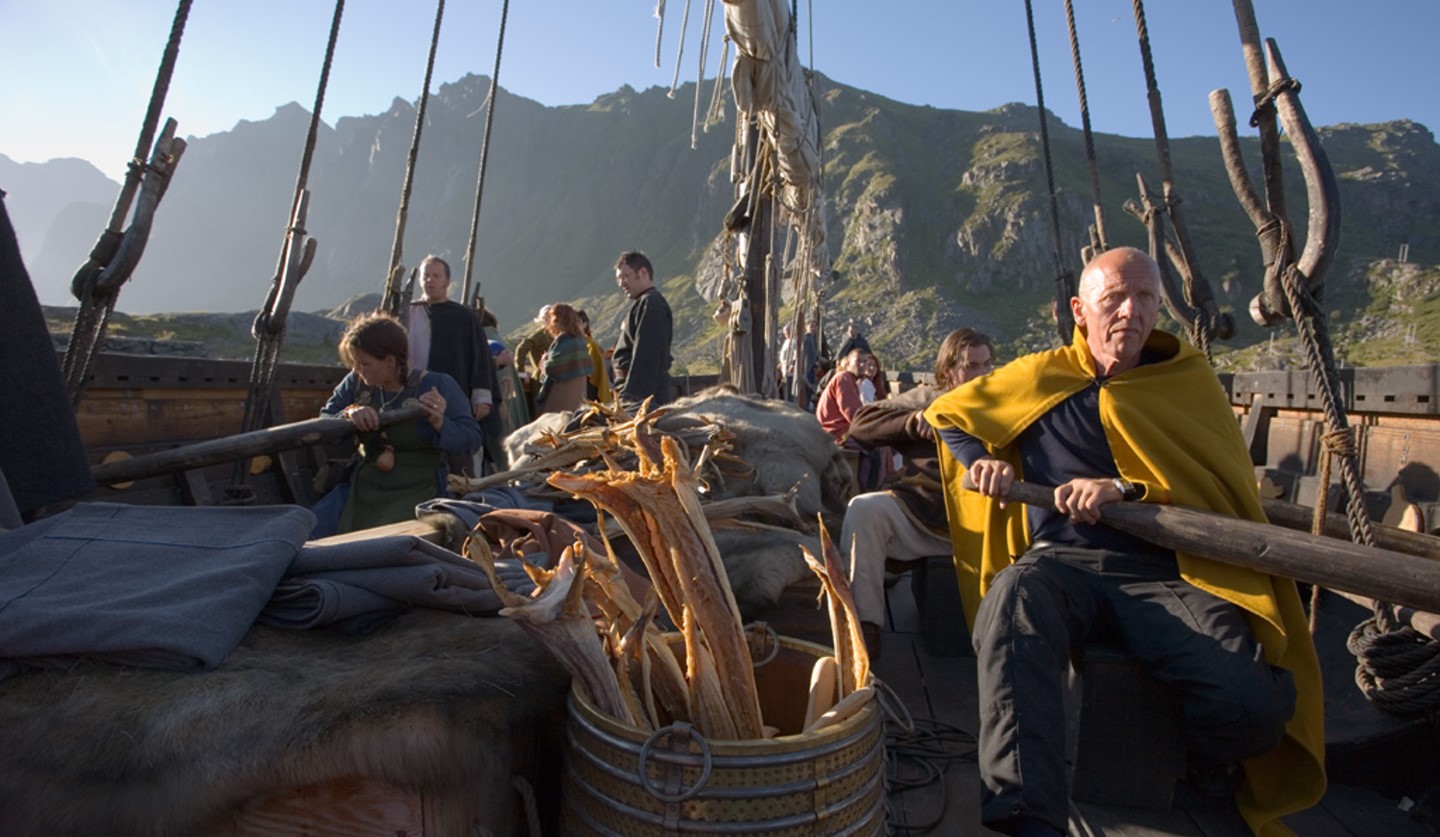
Lofotr Viking Museum (NO)
-
Fotevikens Museum (SE)
-
The Scottish Crannog Centre (UK)
1999 - 2002 | ARCHAEOLIVE
The creation of the Montale Park was part of a larger European project that compared similar experiences of archaeological parks with the aim of enhancing a historical period characterised by strong cultural unity.
-
Pfahlbaumuseum Unteruhldingen (DE)
-
Naturhistorisches Museum Vienna (AT) and Hallstatt site (AT)