The embankment
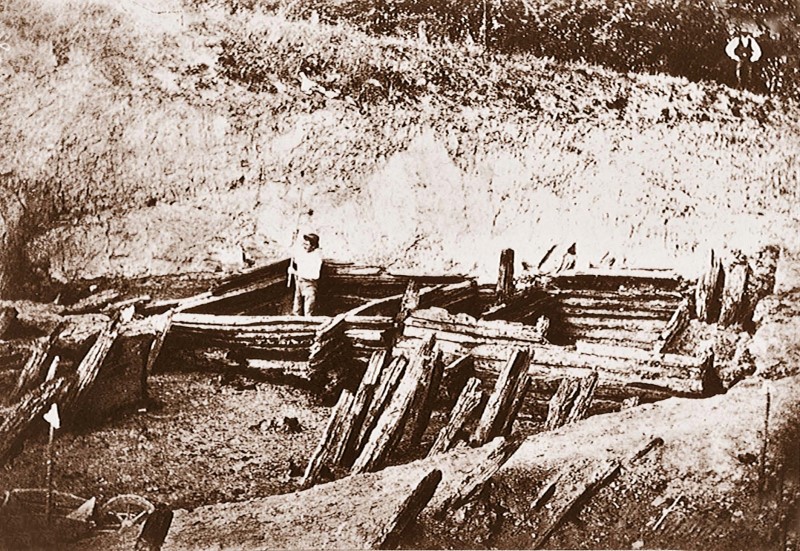
The defensive embankment of the Montale terramara was identified and surveyed as early as the 19th century by Carlo Boni, author of the excavation and first director of the Civic Museum of Modena.
From the notes and excavation sections he left us, we know that it was imposing in size.
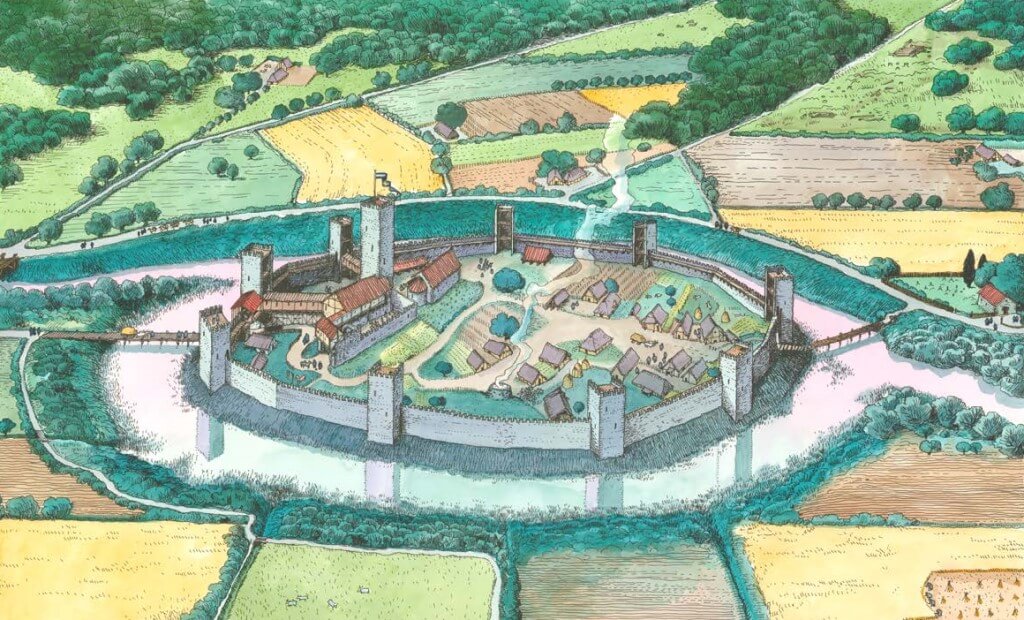
The maximum width at the base was at least ten metres while the preserved height is two metres, although the original elevation must have been even higher and further increased by a palisade that most likely stood on top.
However, the 19th-century excavations did not identify the moat, which has instead been recognised in recent research that has shown it to be very large, reaching a width of more than 35 metres in places, while it was about three metres deep from the surrounding ground level.
Excavation area
Originally, the terramara of Montale was about one hectare in size, excluding the moat that entirely surrounded the village.
In the archaeological area, the traces of the fortifications have been highlighted and the area of the 1996-2001 excavations has been turned into a museum, where the archaeological stratigraphy over three metres high and one of the horizontal planes of the excavation can be observed, both of which have been realised by means of casts perfectly similar to the original surfaces, as it was not possible for conservation reasons to display the organic remains.
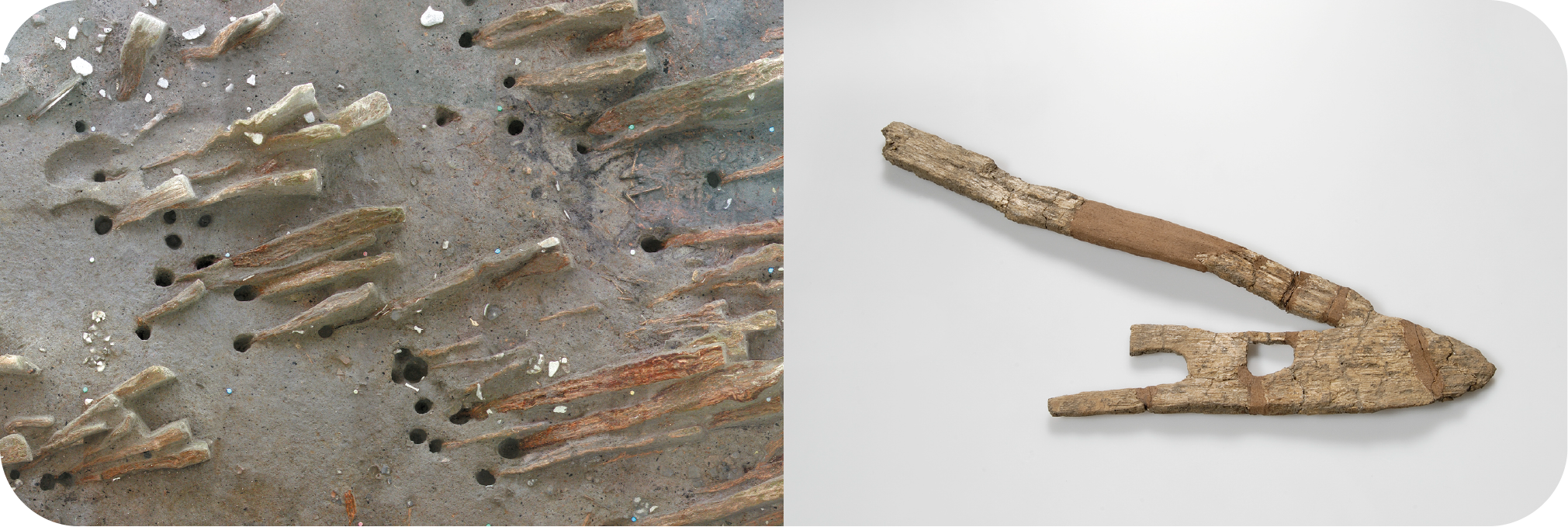
The excavation uncovered a highly articulated stratigraphy that made it possible to retrace the phases of life of the village, thanks also to the discovery of numerous wooden remains referable to living structures.
The remains of five successive dwellings, a granary and a metallurgical workshop have been identified.
Thanks to the abundance of structural data pertaining to the earliest period of the village, Phase I and Phase II, it was possible to trace the floor plans of two dwellings and reconstruct them in the open-air museum.
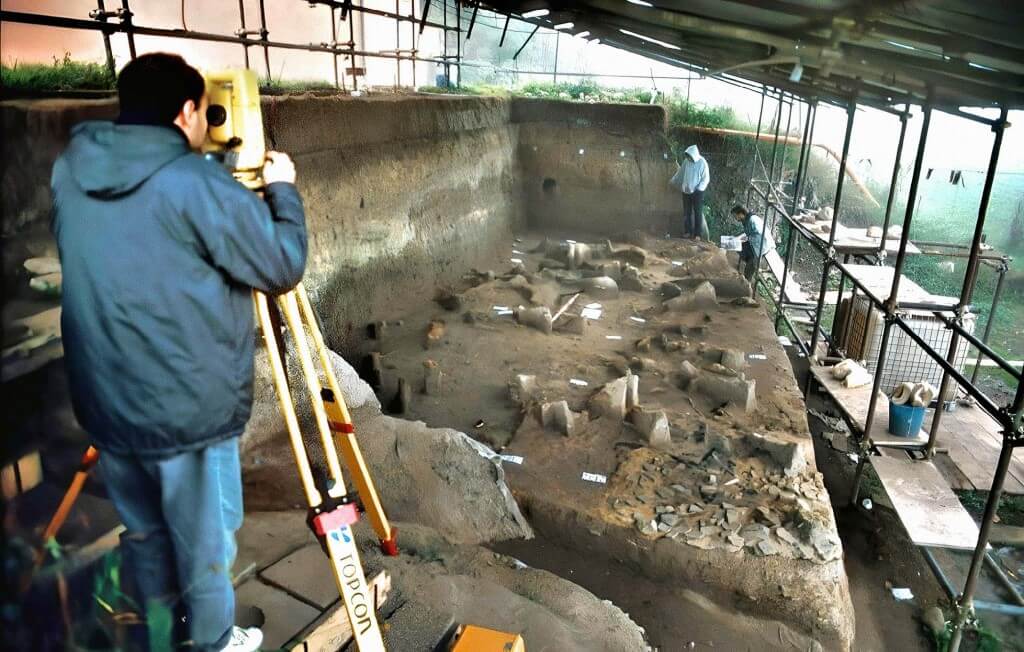
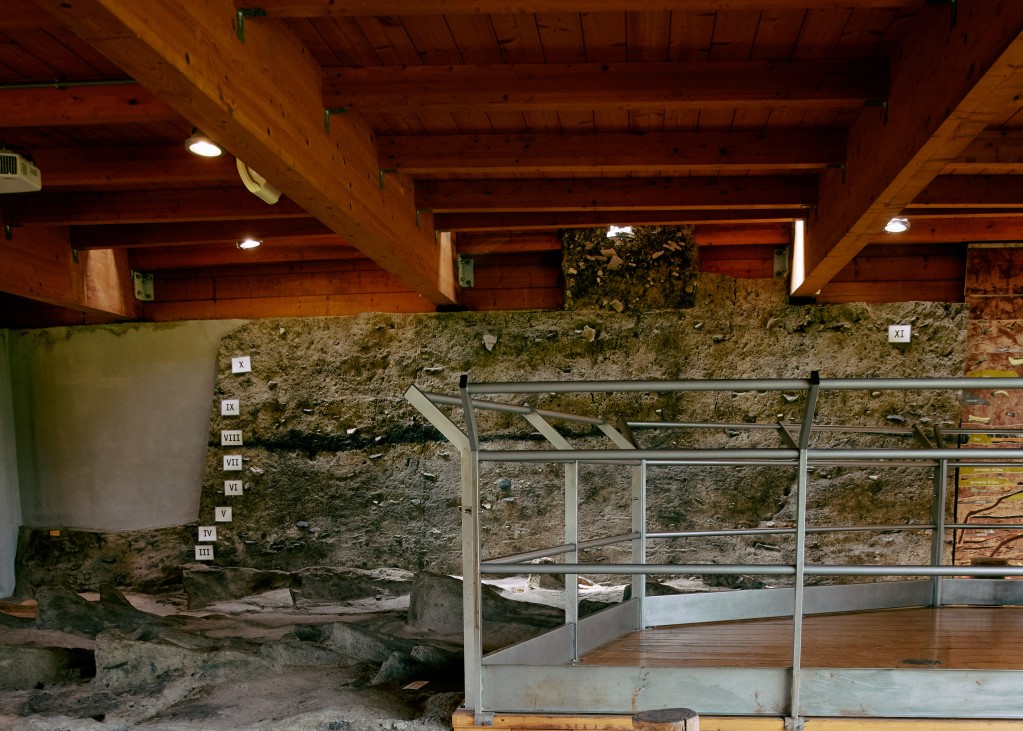
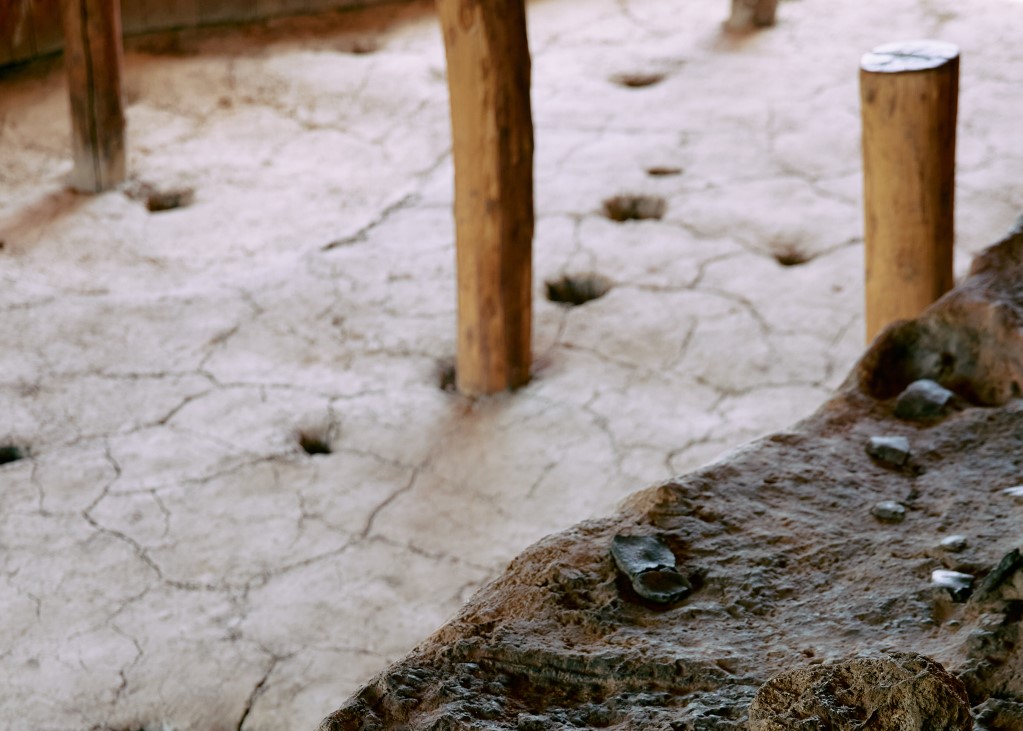

The dating was obtained through archaeological materials and radiocarbon dating that indicate a chronological span for the Montale terramara between the Middle Bronze Age 2 and the Recent Bronze Age 1, i.e. between the 16th and the beginning of the 13th century BC.
The data from the excavations are providing a wealth of scientific information on the archaeological aspects, but also on the economic activities and environment of the terramares.
Thanks to specialised research, it has been possible to reconstruct the climatic-environmental situation and to understand that the community of Montale based its survival on a rather advanced agriculture, consisting mainly of cereals and, secondarily, of some legumes, and on the rearing of goats, pigs and cattle.
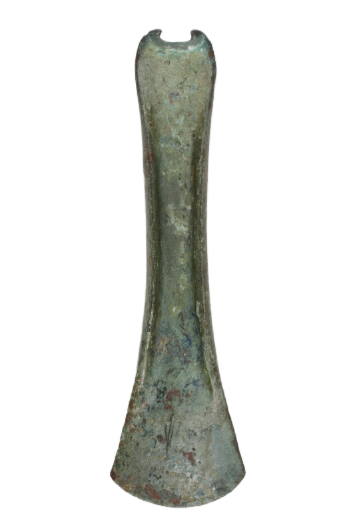
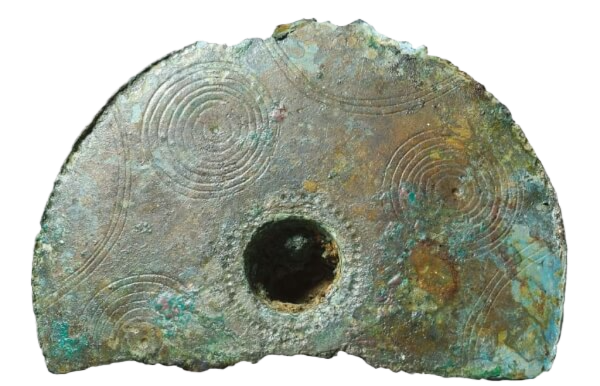
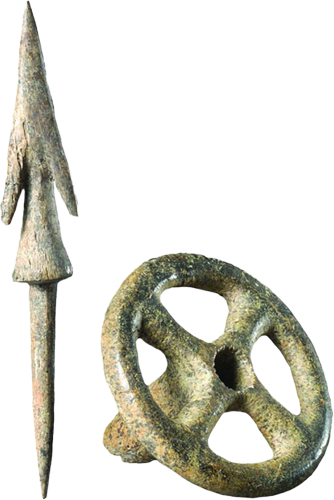
Among the archaeological remains, pottery predominates, but numerous bronze, deer horn and amber artefacts are also attested.
Of particular importance is the presence of a number of wooden objects, including a small plough, remnants of bows, a knife and a sickle bar.
Traces of medieval walls
At the beginning of the 12th century, there was a castle on the hillock, the foundation of which perhaps dates back to some time earlier.
Of the castle, a few wall remains have been found below the current parish house, traces of a tower and the walls that ran along the perimeter of the terramaricolo embankment.
The bell tower of the present church itself may have been built where the main tower of the castle stood.