The Terramare
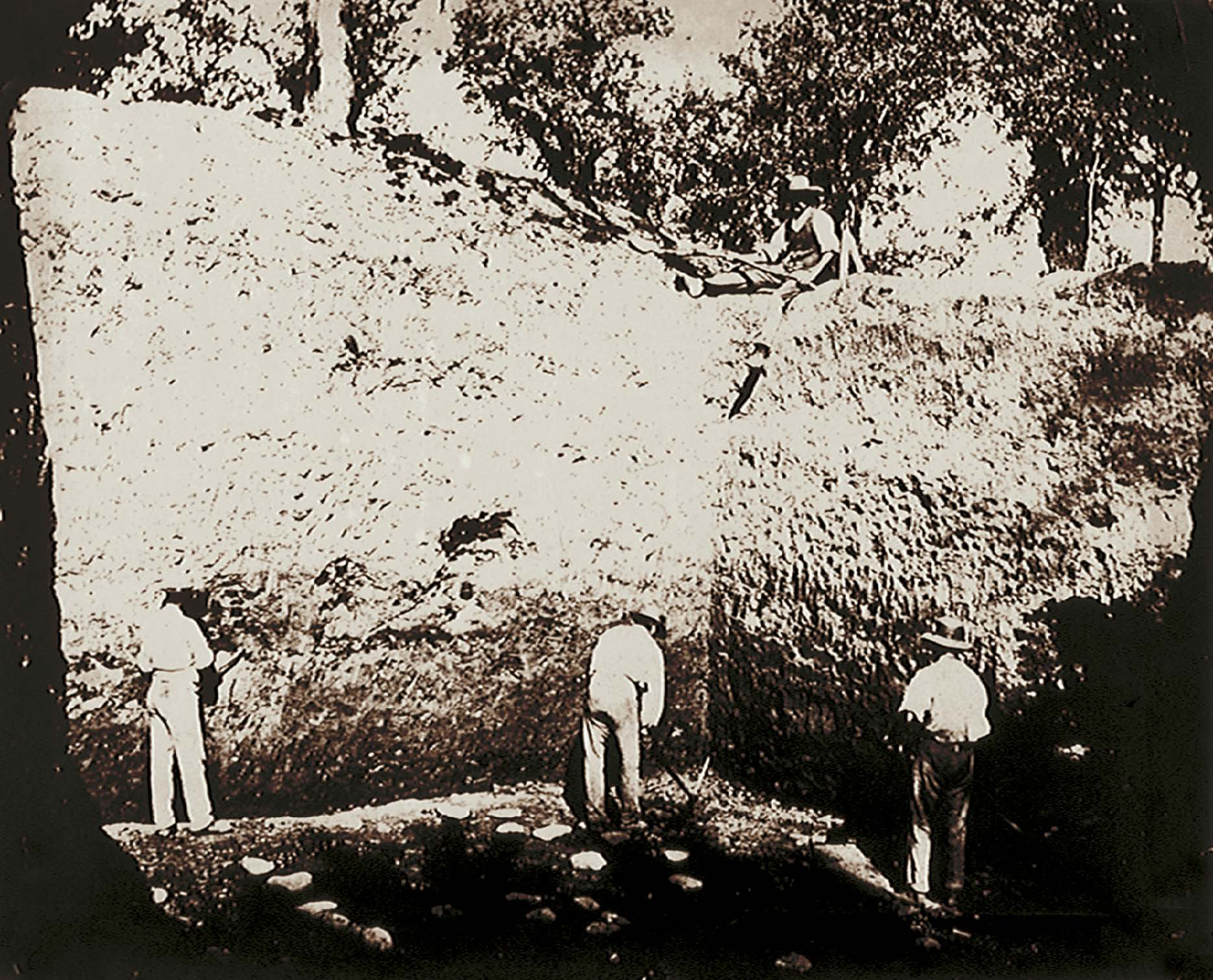
In the first decades of the 19th century, the name terramare was used to indicate organic soil quarries dug into low hills, which were common in the landscape of the Po Valley at the time.
The hillocks had no natural origin and the soil that formed them, which was sold to fertilise the fields, was rich in archaeological remains. For a long time, these remains were attributed to Roman or Celtic settlements or necropolises.
It was only after 1860, when scientific research into prehistory began to intensify in Italy, that it was realised that the true origin of these hillocks was attributable to Bronze Age villages, and from then on the term terramara was used by archaeologists to refer to these settlements.
Thanks to the numerous excavations, the terramares became famous throughout Europe and their remains enriched the region's museums.
Villages
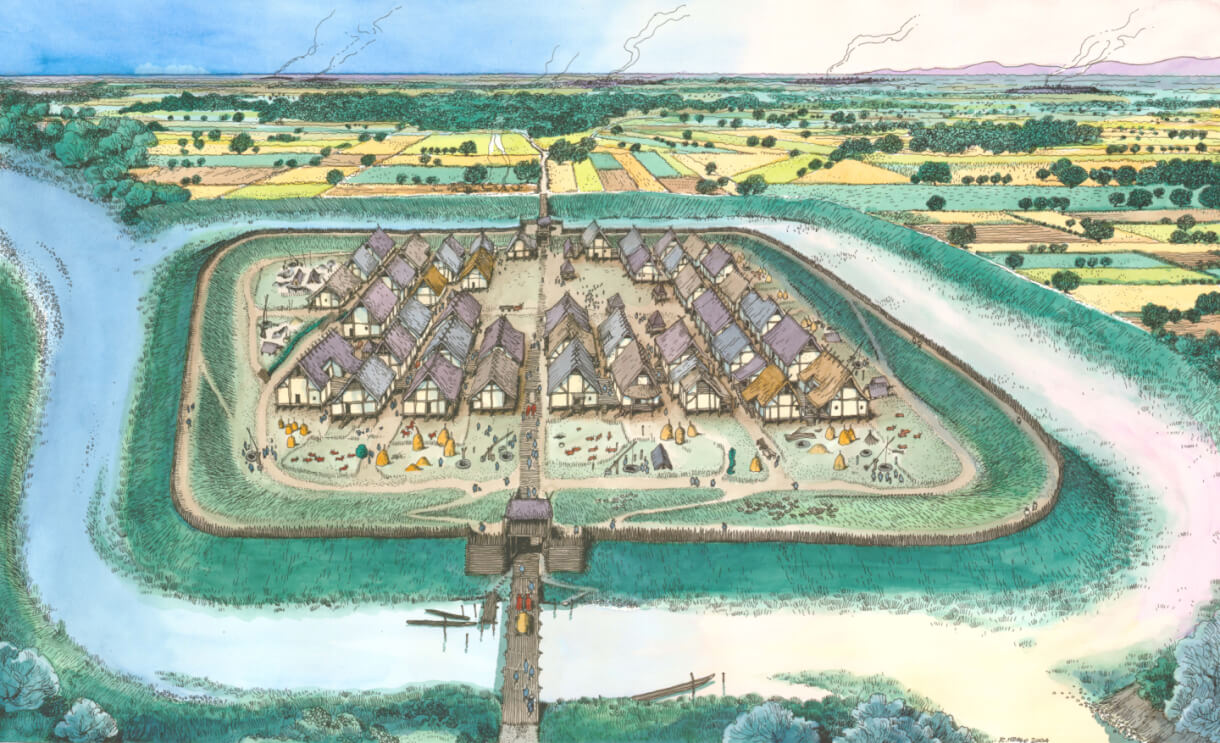
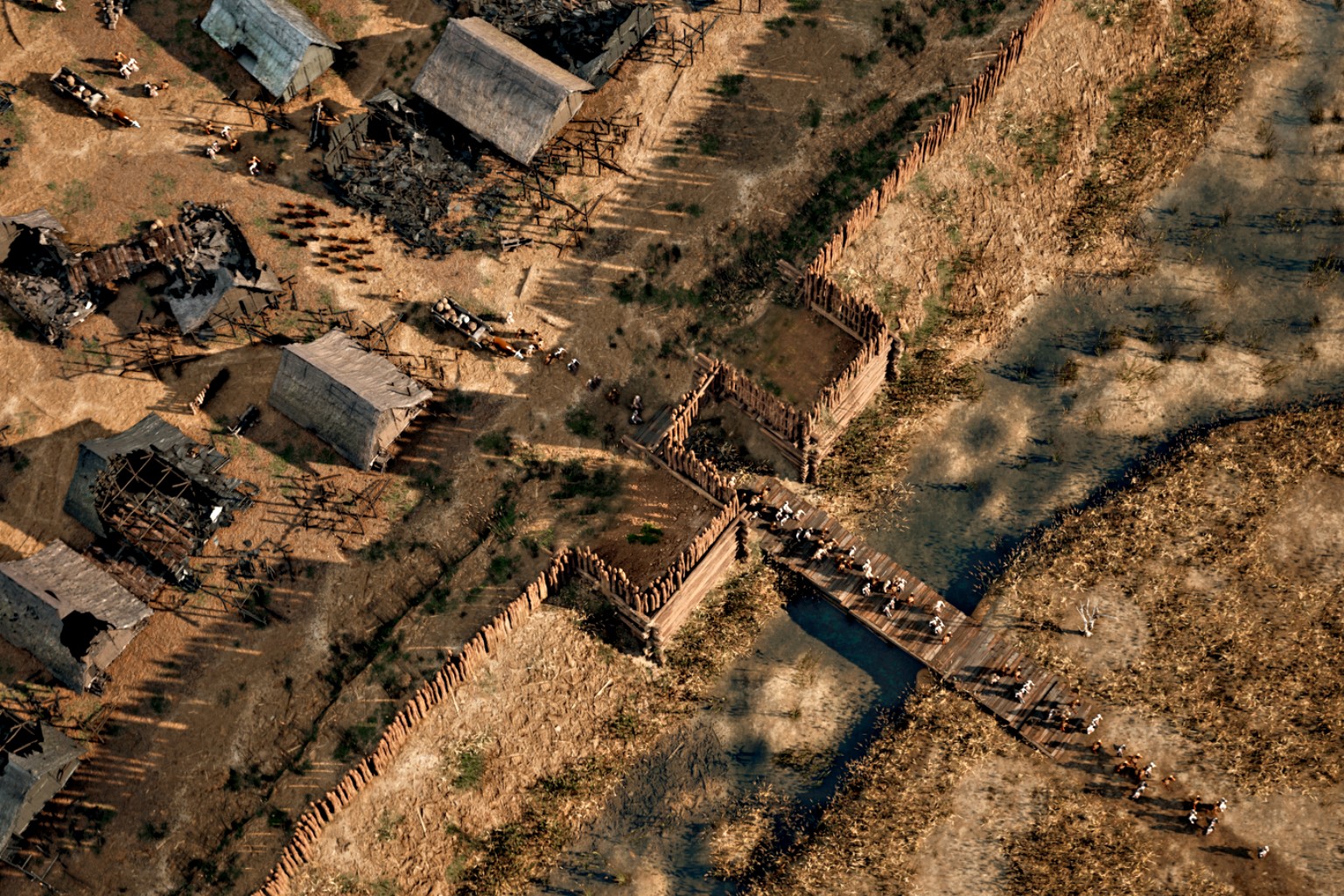
Excavations over the past 20 years have shown that the terramares were fortified villages dating between the Middle and Recent Bronze Age (ca. 1650 - 1170 BC), surrounded by an embankment and a moat.
The size of these settlements varied: from 1-2 hectares in the oldest phases to 20 hectares in the most advanced phases.
The houses, arranged within the village according to an orthogonal module, were frequently built on aerial decks like pile dwellings, although unlike these they did not stand in lake or river areas.
The houses were flanked and separated by very narrow streets (between 1.5 and 2.5 metres). Larger streets were to be the main arteries of the village.
The villages were very frequent and the entire area comprising the Emilian plain and the lowland areas of the provinces of Cremona, Mantua and Verona was densely populated. The total number of inhabitants was very high for that time, it could have been between 150,000 and 200,000.
The company
Society was organised according to a participatory model involving the whole community even though economic and social differences were already evident.
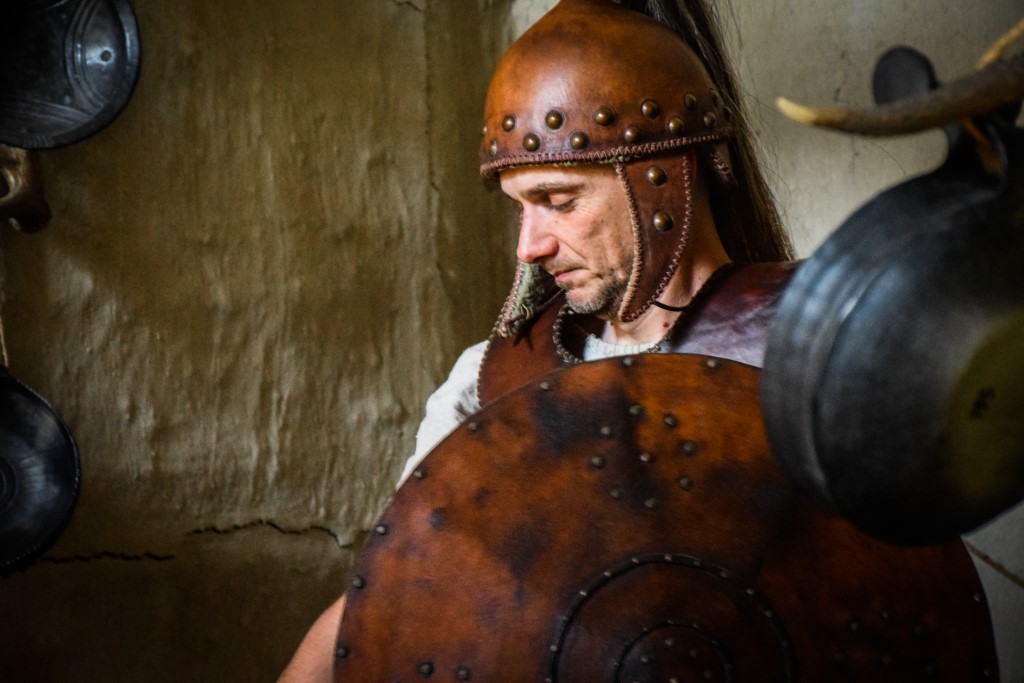
In addition to the chiefs, the warriors represented the emerging elite and a certain privileged status must also have been enjoyed by their women.
Also important was the role of metalworkers who made swords, daggers, spears, brooches, fibulas, razors, as well as agricultural implements such as sickles.
In the later phases, the differences between the villages must have sharpened and more important centres began to form alongside others that probably functioned as smaller centres.
The end of the Terramare
Around 1200 BC, the terramare world went into crisis and after a few decades the terramares disappeared.
Archaeologists do not yet have an answer to explain this phenomenon, but it is possible that a number of causes, anthropogenic and natural, led to the end of the terramaric system.
Among these, one cannot exclude a worsening of the climate, even a minor one, which could have caused a crisis in the agricultural economy, the basis of the livelihood of the terramare inhabitants.
Climate change, however, does not seem to be the only cause of such a drastic collapse.
The end of the terramares is therefore still an unresolved problem today.