MONTALE IN ROMAN TIMES
At the top of the hillock, several burials Roman age as well as remains of floors and pottery probably belonging to a small farm.
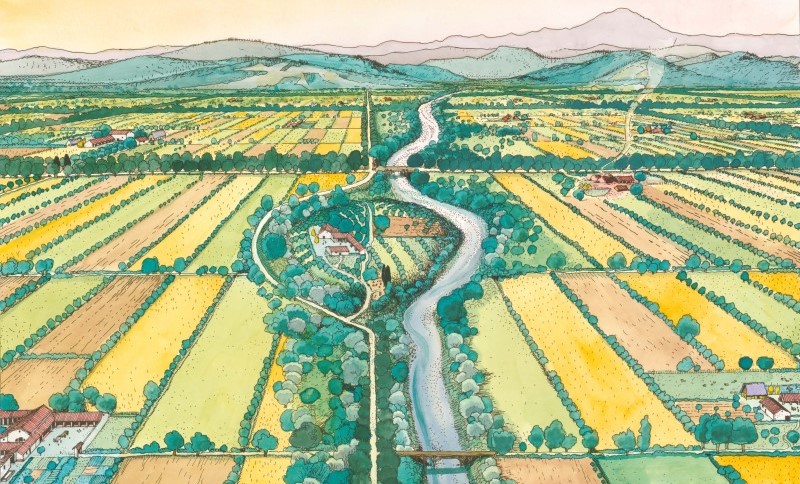
The watercourse was the main source for irrigating the fields, organised according to the system of the centuriazione agrarian that the Romans used to divide the territory into 'centurie' of 710 m sides, delimited by decumans and hinges. The hillock of Montale was located on one of these hinges.
MONTALE AFTER THE YEAR ONE THOUSAND
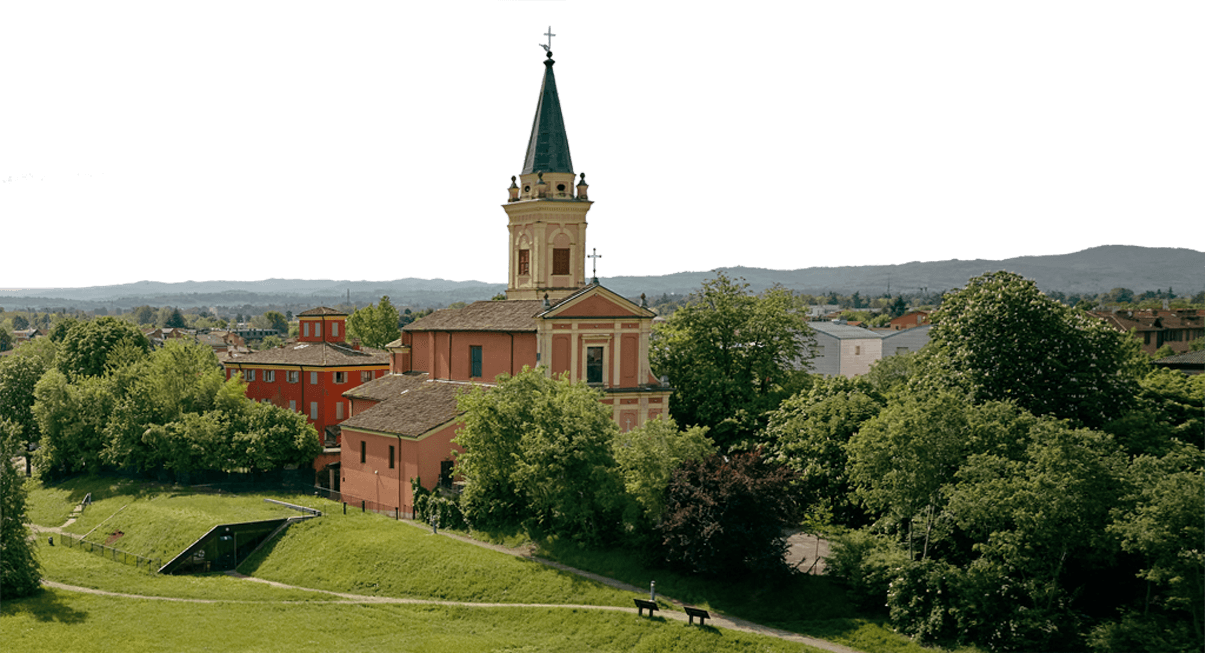
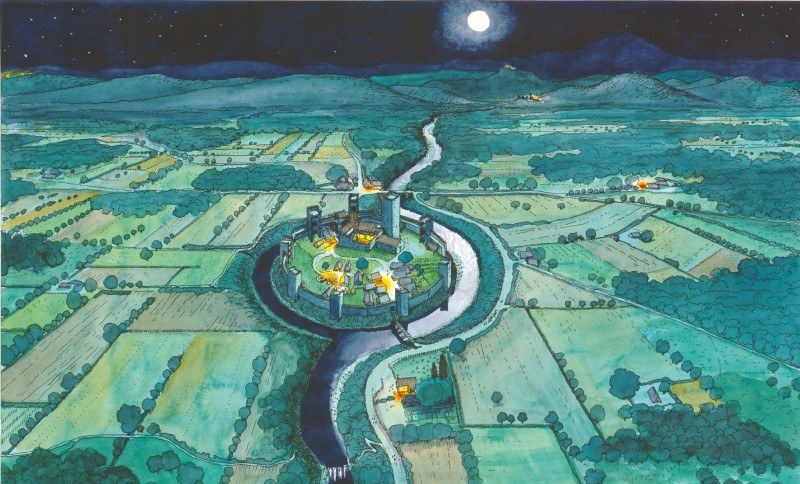
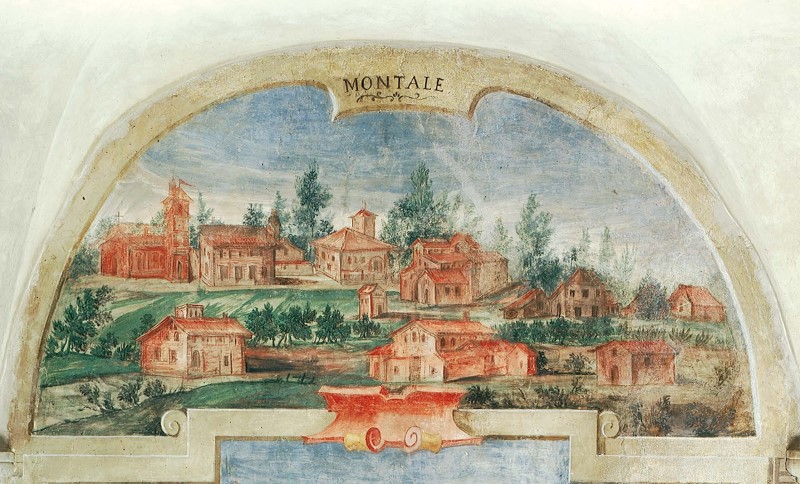
Around 1100 on the hillock stood a castle. Traces of a tower have been found on the remains of which the bell tower of the present church may have been built.
In the surrounding area, theancient city walls which largely retraced the perimeter of the Bronze Age embankment.
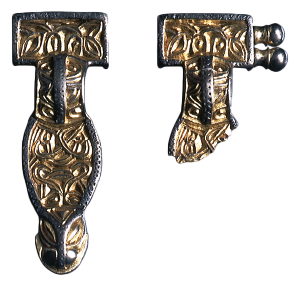
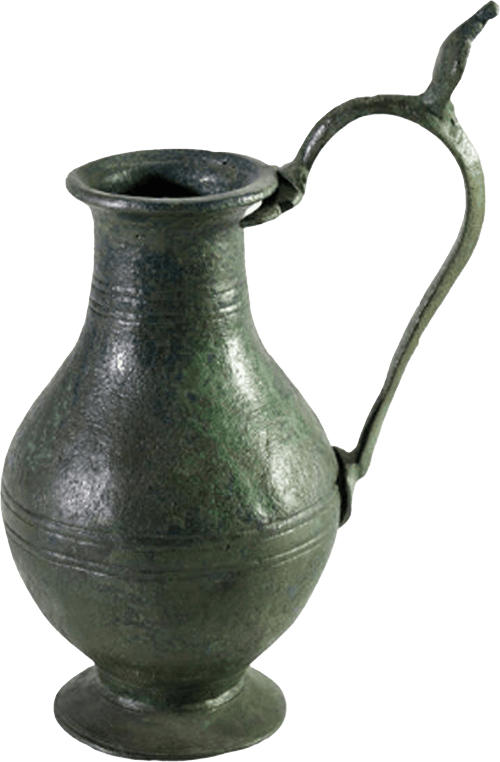
After the crisis of the Roman Empire, the hillock and the surrounding area were probably still frequented, as shown by the discovery of a Longobard tomb 300 metres north of the terramara. The grave goods included two silver and gold fibulae and a bronze jug datable to the end of the 6th century AD.
The huge amount of wood needed for the construction of the houses and the village defences had been obtained by deforesting the surrounding environment. The wide open spaces obtained in this way had allowed for the development of an intense agriculture and animal husbandrythe basis of the land-based economy.