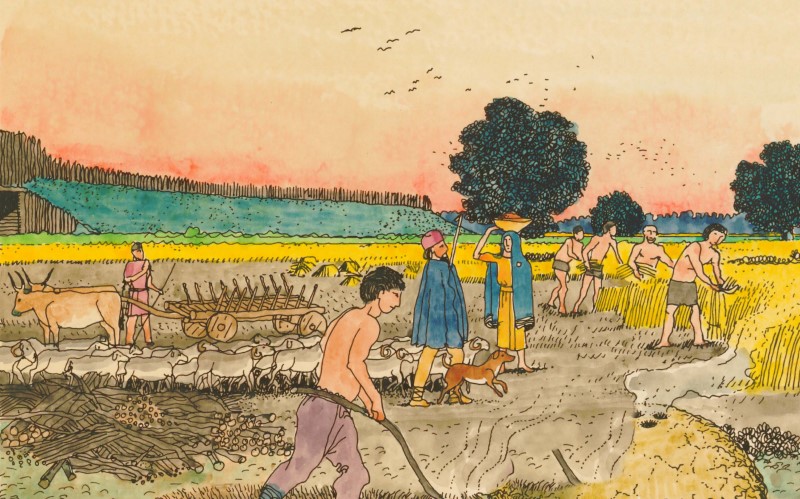
Archaeozoological analyses of remains of fauna found in the 1996 - 2002 excavations highlighted the importance of animal husbandry in the terramare society.
Among the animals bred the sheep were those most represented, about 42 % of the total, while the goats were rarer (around 11 %), probably due to the use of the former for wool.
Also the pigs were bred in large numbers (around 35%), while the number of oxen (12%) that were also used for work in the fields and transporting farm wagons.
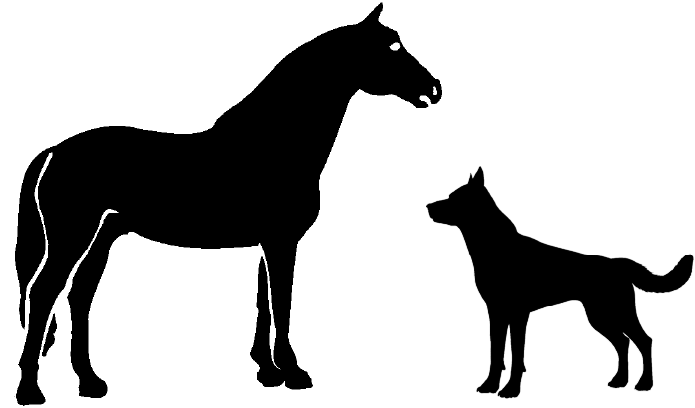
Other domesticated animals that shared man's space were the dog and the horseThe former was mainly used for herding and hunting activities, while the latter was used for towing light and war wagons.
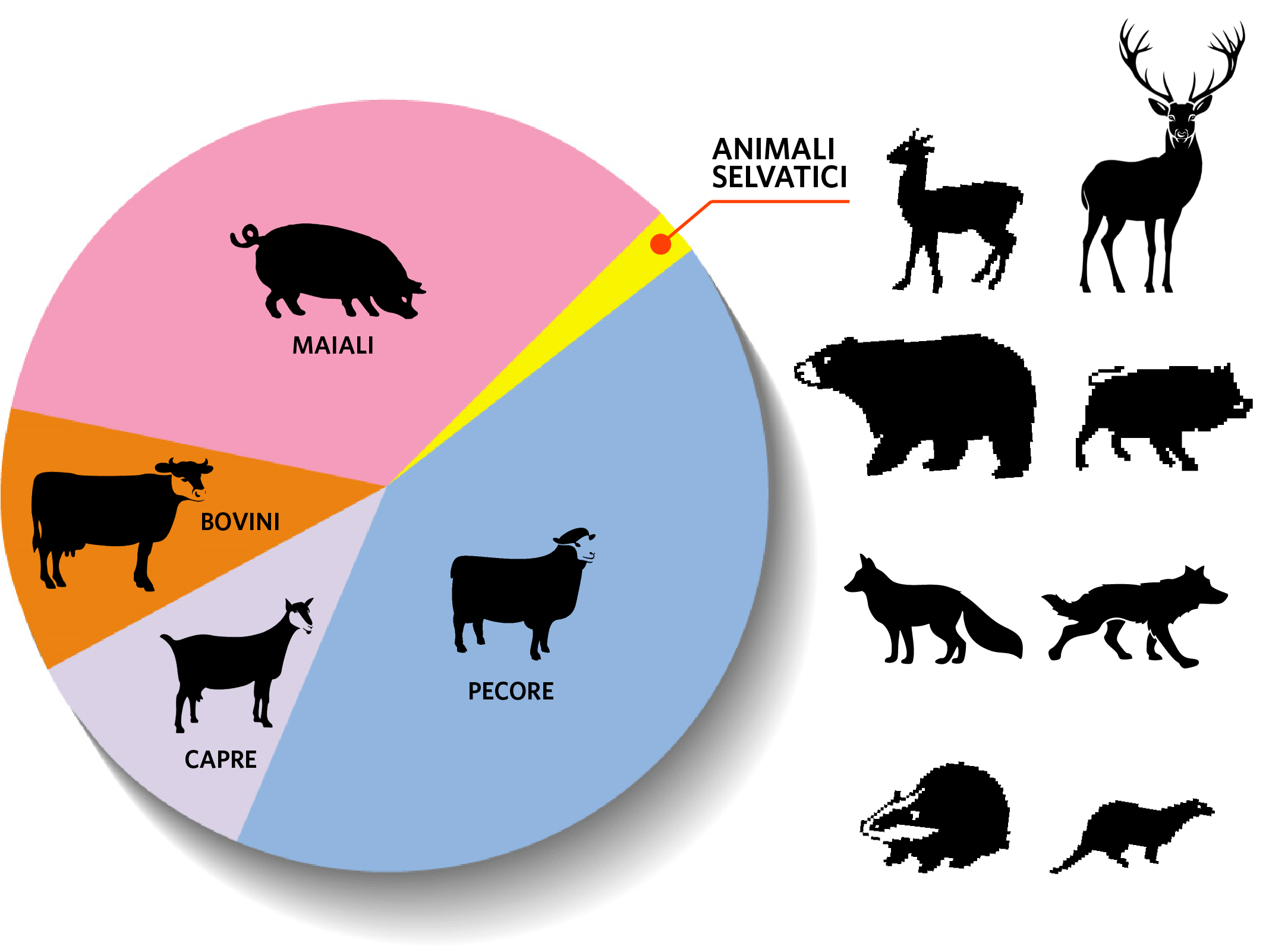
Despite the massive deforestation, wildlife must still have been abundant, however, among the archaeozoological remains found in the excavation, the wild animals are poorly represented (less than 2%): this demonstrates the very low incidence of hunting and fishing in the terramare society, as also confirmed by studies of faunas at other sites.
The recovered remains do, however, give us an idea of the mammals in the area that could occasionally be hunted for meat and fur: the deerthe roethe wild boar, the martenthe rate, the otter, the foxthe wolf e the bear.